Build a property details around use, access, drainage, and the work that needs a decision.
Build a property details around use, access, drainage, and the work that needs a decision.
Learn More →Carry the article topic into a property details with clear inclusions and open questions.
Learn More →Custom designs featuring native and drought-tolerant plants. Xeriscaping, traditional, and modern styles.
Learn More →Compliant sprinkler and drip irrigation installation, repair, and smart controller upgrades.
Learn More →Seasonal leaf cleanup, yard debris removal, and bed preparation. Keep your property clean year-round.
Learn More →Full-service commercial grounds maintenance for offices, HOAs, retail centers, and apartment complexes.
Learn More →{“@context”:”https://schema.org”,”@type”:”FAQPage”,”mainEntity”:[{“@type”:”Question”,”name”:”What areas of Charlotte do you serve?”,”acceptedAnswer”:{“@type”:”Answer”,”text”:”Charlotte and its full suburban ring are on our route map. We work Matthews, Mint Hill, Pineville, Huntersville, Cornelius, Davidson, Concord, Indian Trail, Waxhaw, Belmont, and Gastonia, covering Mecklenburg plus the neighboring Union, Cabarrus, and Gaston County communities. New addresses inside that footprint slot into existing weekly runs.”}},{“@type”:”Question”,”name”:”How do you price lawn care in Charlotte?”,”acceptedAnswer”:{“@type”:”Answer”,”text”:”A firm quote comes before any work starts, with most Charlotte homes at $45 to $120 per visit. Pricing is flat and monthly, calculated from property size, service frequency, and turf type. Nothing gets added later: no fuel surcharges, no surprise line items, no upsell pressure.”}},{“@type”:”Question”,”name”:”Do you use North Carolina-native plants?”,”acceptedAnswer”:{“@type”:”Answer”,”text”:”Yes. North Carolina natives are the backbone of our Charlotte planting beds. Eastern redbud, flowering dogwood, tulip poplar, and purple coneflower are all suited to Piedmont red clay and humid summers, which cuts irrigation demand and eliminates routine chemical inputs. Established native beds also support Carolina pollinators year after year.”}},{“@type”:”Question”,”name”:”How do you handle the transition-zone grass issue?”,”acceptedAnswer”:{“@type”:”Answer”,”text”:”We first identify the existing turf on the Charlotte property, commonly fescue, Bermuda, or zoysia. Sun exposure and the desired seasonal pattern guide whether a cool-season fescue lawn or a warm-season Bermuda or zoysia lawn fits the site; mixing incompatible programs creates avoidable stress.”}},{“@type”:”Question”,”name”:”What’s the best time of year to start service?”,”acceptedAnswer”:{“@type”:”Answer”,”text”:”September and October beat every other month for starting lawn service in Charlotte. That is fescue aeration and overseeding season, when a new program pays off fastest. Spring (March-April) is the second-best window, and warm-season Bermuda or zoysia yards see their gains from a spring start.”}}]}
Charlotte projects begin with the site itself. Piedmont clay, fescue or warm-season turf, drainage, and the amount of shade determine which maintenance or installation work belongs in the plan; the written estimate names each component before approval.
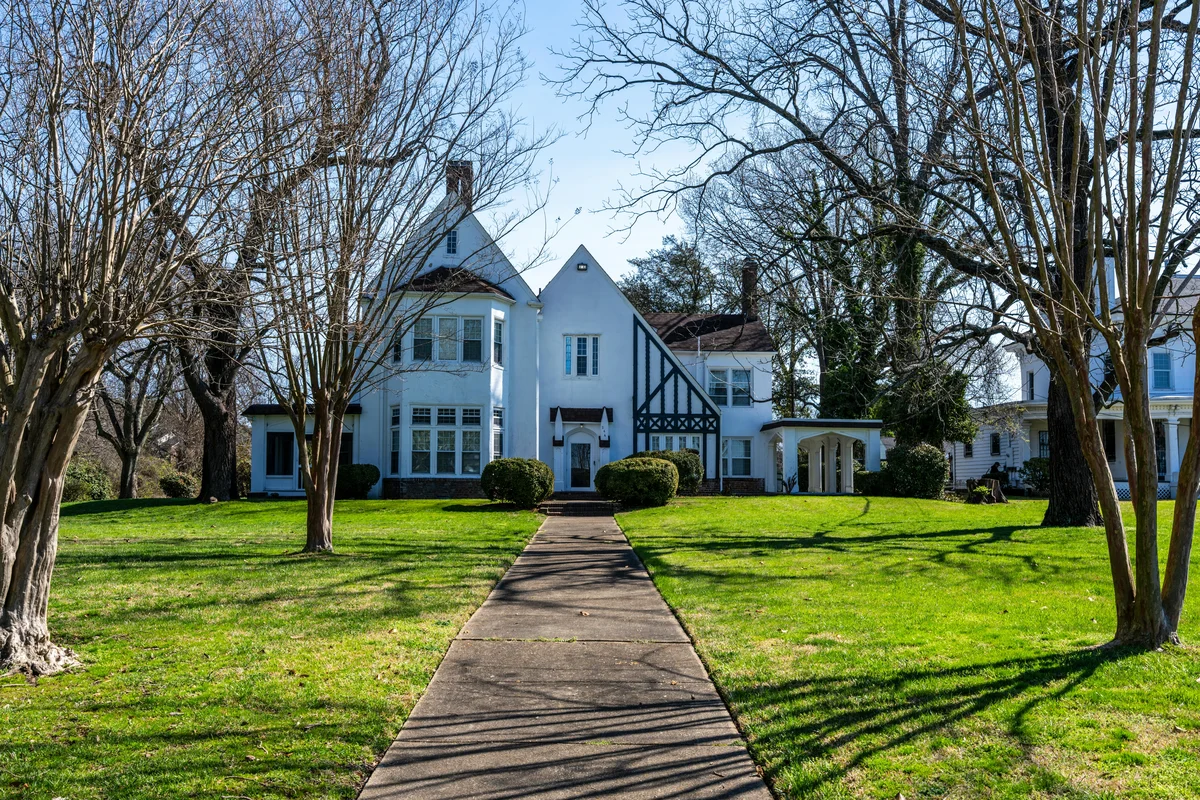
Charlotte is not a one-size-fits-all landscaping market, and if your last crew treated it like one, you have probably already seen the results — patchy fescue by August, beds that drain wrong in the red clay, and a yard that never quite looks settled. We do this differently. We plan and maintain landscapes around how the Piedmont actually behaves: heavy clay soil, humid subtropical summers, and a transition-zone climate that punishes shortcuts.
We’re a locally operated landscaping company serving Charlotte and the surrounding Mecklenburg County suburbs — Matthews, Huntersville, Ballantyne, Concord, Mooresville, Cornelius, Davidson, Mint Hill, Pineville, Indian Trail, and Waxhaw. Whether it’s a quarter-acre lot in Matthews or an estate property out toward Lake Norman, the work gets the same standard: show up when we say, do what we quoted, and leave the property better than we found it.
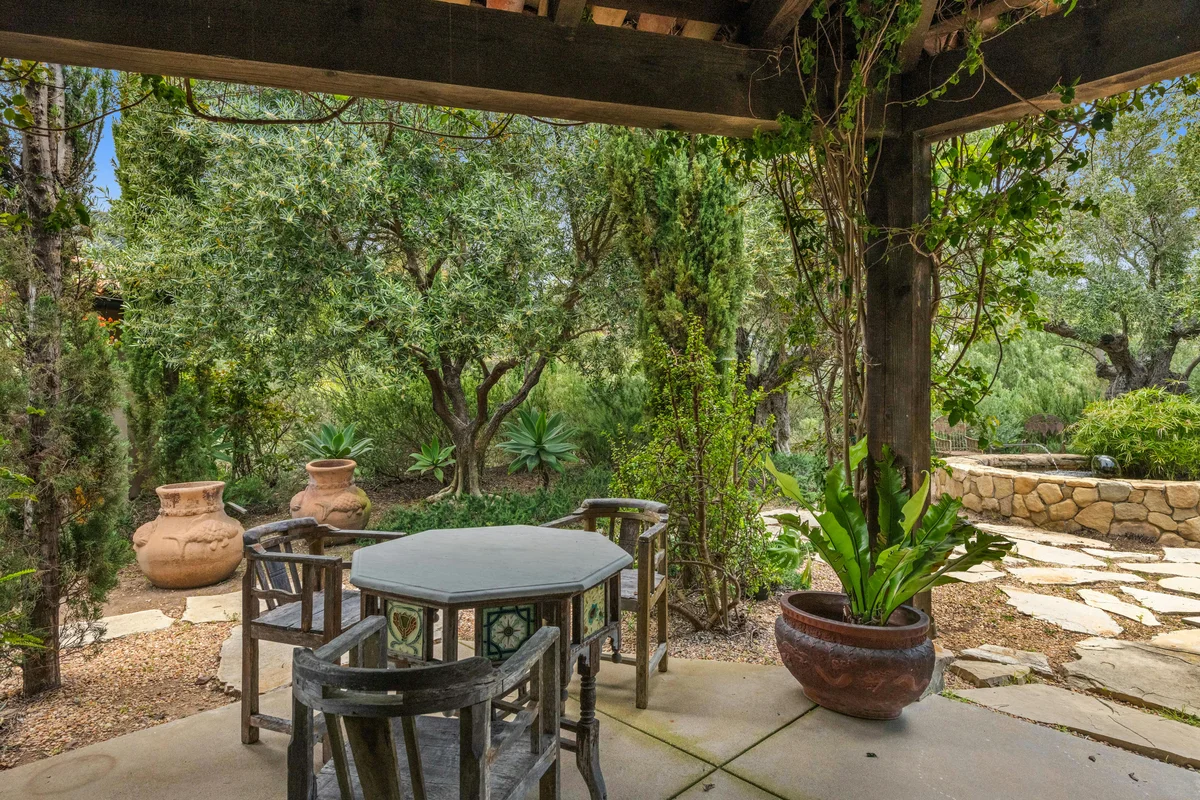
Charlotte sits in the transition zone, where cool-season and warm-season grasses both grow but neither dominates. Most properties here run Tall Fescue, Bermuda, or Zoysia — and each one wants a different cutting height, watering schedule, and seasonal rhythm. Run them the same way and you end up with the thin, weedy, half-dormant lawns you see all over the metro by late summer.
The other half of the battle is the soil. Piedmont red clay holds water, compacts hard, and drains slowly — which means beds, drainage, and planting all have to be set up for it from the start. We amend properly, grade for runoff, and choose plantings that actually thrive in our soil and humidity instead of fighting it: flowering dogwood, eastern redbud, Carolina jessamine, oakleaf hydrangea, and purple coneflower among them.
Tree work is covered as well: see our tree service in Charlotte page.

The transition-zone climate is the single biggest reason landscaping in Charlotte goes wrong. A crew that learned its trade in a cool-season market mows fescue too short and watches it cook in July. A crew from a warm-season background neglects the fall overseeding that keeps a fescue lawn thick through winter. Getting it right here means knowing which grass you’re working with and managing it on its own calendar.
Then there’s the clay. Piedmont red clay is dense and slow-draining, so a heavy summer storm that should soak in instead runs off — taking mulch, topsoil, and fertilizer with it. Proper grading, bed construction, and drainage aren’t upsells here; they’re the difference between a landscape that holds up and one that washes out after the first big rain.
We also plan for the occasional Charlotte ice storm and the swing from humid summers to cold snaps, choosing hardy, regionally appropriate plantings on larger lots and tighter suburban yards alike. The goal is a landscape that looks intentional in every season, not just the easy ones.
Trained crews who know Piedmont turf and soil — not a rotating cast of subcontractors learning on your property. The same people, doing the same work, to the same standard, visit after visit.
Flat, honest pricing quoted before any work starts. No fuel surcharges, no surprise line items, no “well, that’s extra” conversations once we’re already on site.
Responsiveness that actually exists. When you call or message about an issue, you get a real answer the same week — not a voicemail that disappears into the void.
Full coverage. We provide free, no-obligation estimates and a written, itemized quote before any work begins.
Most Charlotte homeowners fall between $45 and $120 per visit for routine lawn care, depending on property size, service frequency, and turf type. Larger projects — design and installation, hardscaping, drainage work — are quoted individually after we walk the property.
Every quote is firm before work begins. We price the job, you approve it, and that’s the number. No moving target, no upsells dressed up as recommendations.
We’d rather earn a long-term client with straight pricing than win one job with a lowball and make it up in surprises later. That’s how a service-area business actually grows in a market like Charlotte. If you are lining up estimates, our comparison of the best landscaping companies in Charlotte breaks down what sets the strongest crews apart.
Ready to get started? Call (704) 318-2474 for a free written estimate anywhere across Charlotte and Mecklenburg County.
Stage 2 drought rules are in effect. Check the 2026 Charlotte watering restrictions & lawn calendar for your two watering days and a month-by-month plan.
Landscapers in Charlotte handle the outdoor work around a property: mowing and lawn maintenance, bed care and mulch, planting and design, seasonal cleanup, and, through qualified trade contractors, hardscape, irrigation and tree work. Most homeowners start with a maintenance visit and add projects once the yard is under control.
Our lawn mowing in Charlotte page covers the weekly routine, and the landscape design in Charlotte page covers planting plans and installation.
Charlotte lawn mowing and landscape maintenance runs about $45 to $95 per visit, and full-service monthly plans run $150 to $450 or more. One-time projects such as sod, drainage or a patio are priced separately by scope. These are planning ranges, and a written quote fixes the real number.
The Charlotte landscaping cost guide breaks each service into its own line so quotes can be compared one to one.
Maintenance is the recurring work that keeps an existing yard in shape: mowing, edging, bed weeding, pruning, mulch and leaf removal. Installation is a one-time build, such as new beds, trees, sod or a patio. Maintenance is billed per visit or monthly, while installation is quoted per project.
Keeping the two on separate lines of a quote makes it easier to see what a yard really costs to run year after year.
Yes. Commercial landscaping in Charlotte usually runs on an annual contract billed monthly, covering mowing, beds, pruning, mulch, irrigation checks and leaf and storm cleanup. Small to mid-size sites typically land between $800 and $4,500 a month, depending on turf acres, beds, islands and visit frequency.
The commercial landscaping in Charlotte page explains how a contract is scoped, and HOA and retail sites are covered there.
Charlotte sits in the transition zone on heavy Piedmont red clay, so a landscaper has to plan for fescue that struggles in July and Bermuda or zoysia that goes brown in winter. Compaction and slow drainage matter as much as plant choice, and aeration and overseeding belong on a fall calendar.
The Charlotte grass types guide and the Charlotte soil guide go deeper on both.
Ask for a written, itemized quote that names the service, the visit frequency and the price for each line, then compare two or three of them on scope rather than total. Check the grass type, mowing height and cleanup terms are stated, and confirm any permit-driven work before it starts.
Our guide to choosing a landscaper in Charlotte lists the questions worth asking. You can also call (704) 318-2474 or use the free quote page.
Piedmont clay, tall fescue, shade, and drainage conditions are recorded during the Charlotte property walk; the estimate separates maintenance, planting, and hardscape scope so approval is tied to the actual yard.
Describe the Charlotte property, requested work, and access details in the quote form. A provider will review the request, confirm whether the address and scope can be accepted, and send the next steps in writing.
Piedmont visits follow the approved job list: mowing or bed work, trimming, surface blow-off, and debris removal are checked before the crew leaves. Any drainage or clay-related concern is noted for the property record.
A Charlotte maintenance scope can be checked against a local turf standard, not just a generic project note. NC State Extension recommends mowing tall fescue at 3.5 inches; the accepted proposal should identify that target, list irrigation or bed work separately, and require written approval before the provider adds follow-up tasks.
For every proposed action, record the observed condition, the owner goal, the chosen response and any unanswered question. That log keeps the landscaping recommendation traceable without pretending the property has been inspected remotely.
Compare preparation, material, upkeep, access and finish choices in separate columns. Use measured quantities where available and mark assumptions plainly instead of hiding them inside a single package description.
Normalize the project details, quantities, exclusions, cleanup and acceptance check before comparing totals. If one proposal omits an item, treat it as a scope difference rather than a price advantage.
Describe the affected areas and the decisions needed so the request can be reviewed in context.